I Tried The $49 At-Home Testosterone Test Most Men 30+ Have Never Taken — Here's What Actually Came Back
A look at the new wave of telehealth blood tests turning what used to be a months-long specialist runaround into a single $49 kit, a 15-minute video consult, and — for men who qualify — a clinician-built treatment plan in about two weeks.
The old advice — “go to your GP, get half-checked, be told you're fine, leave with nothing” — has stopped feeling like enough for a generation of men who can already see, hear, and measure that the number on the scale, the number in the gym, and the number of nights they actually sleep through aren't where they used to be.
Public-health research that the providers in this space cite frequently puts the picture in plain numbers: the average man over 30 today has roughly 22% less testosterone than men in the 1980s, and about 1 in 4 men over 30 will end up clinically low. Most of them will never know it, because they will never test.
What's new is the path to actually finding out. Companies like Taurus have stitched together what used to be three or four separate appointments — a lab draw, a clinician review, a treatment conversation, and a fulfilment step — into a single at-home flow. I wanted to see, hands-on, what the experience was actually like, and whether the editorial framing held up to scrutiny.
Editorial note: This article is not medical advice and does not claim that every reader needs testosterone treatment. The relevant question is narrower: is the testing-and-consult path credible enough to consider?
01
Reason #1
It tests the thing your annual physical usually doesn't
Here's the part that surprised me first. A standard yearly physical, in most insurance-covered settings, does not include a full testosterone panel. You can be on the wrong side of the men's-health drop-off for years and never see a single number that says so.
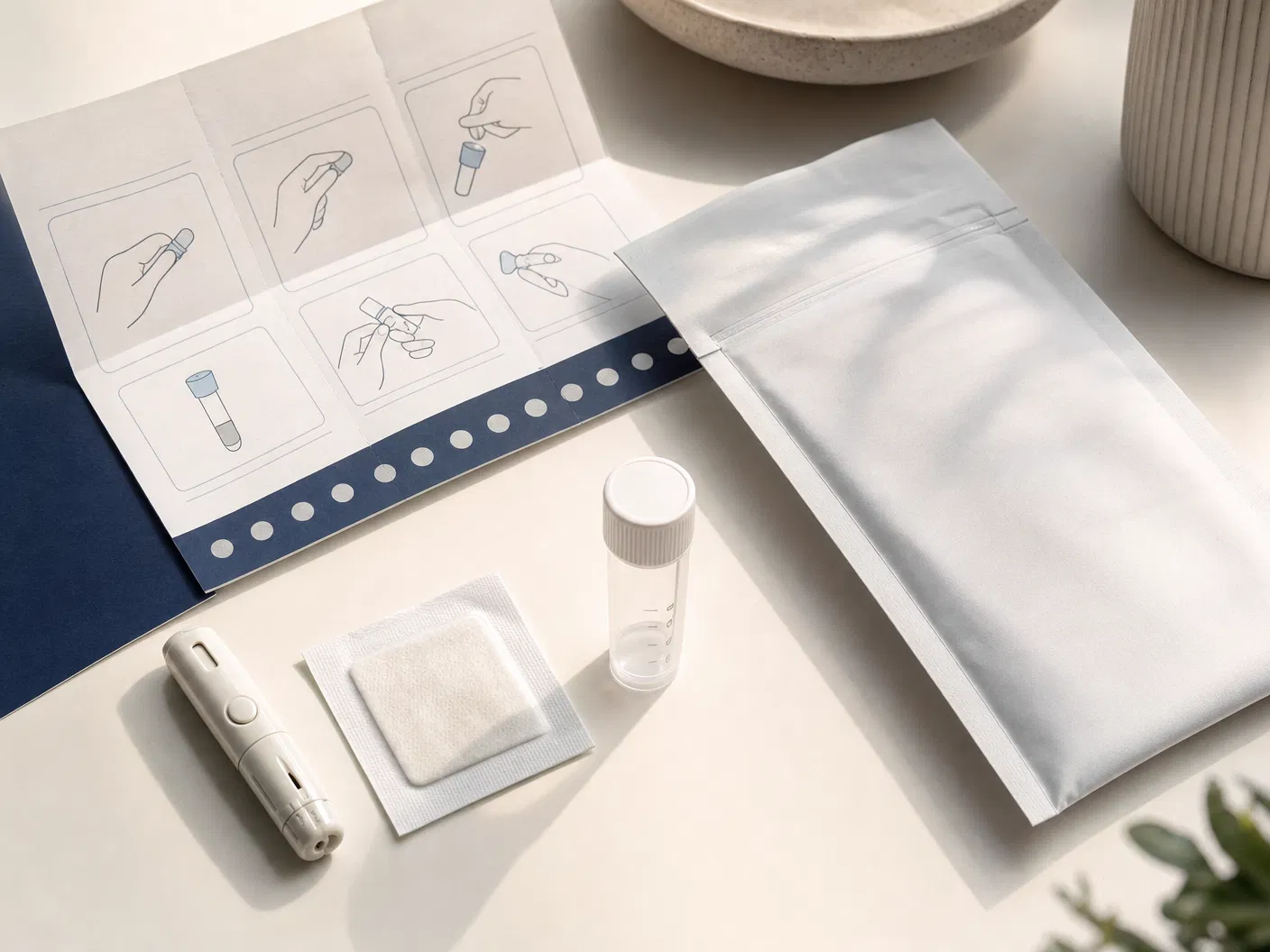
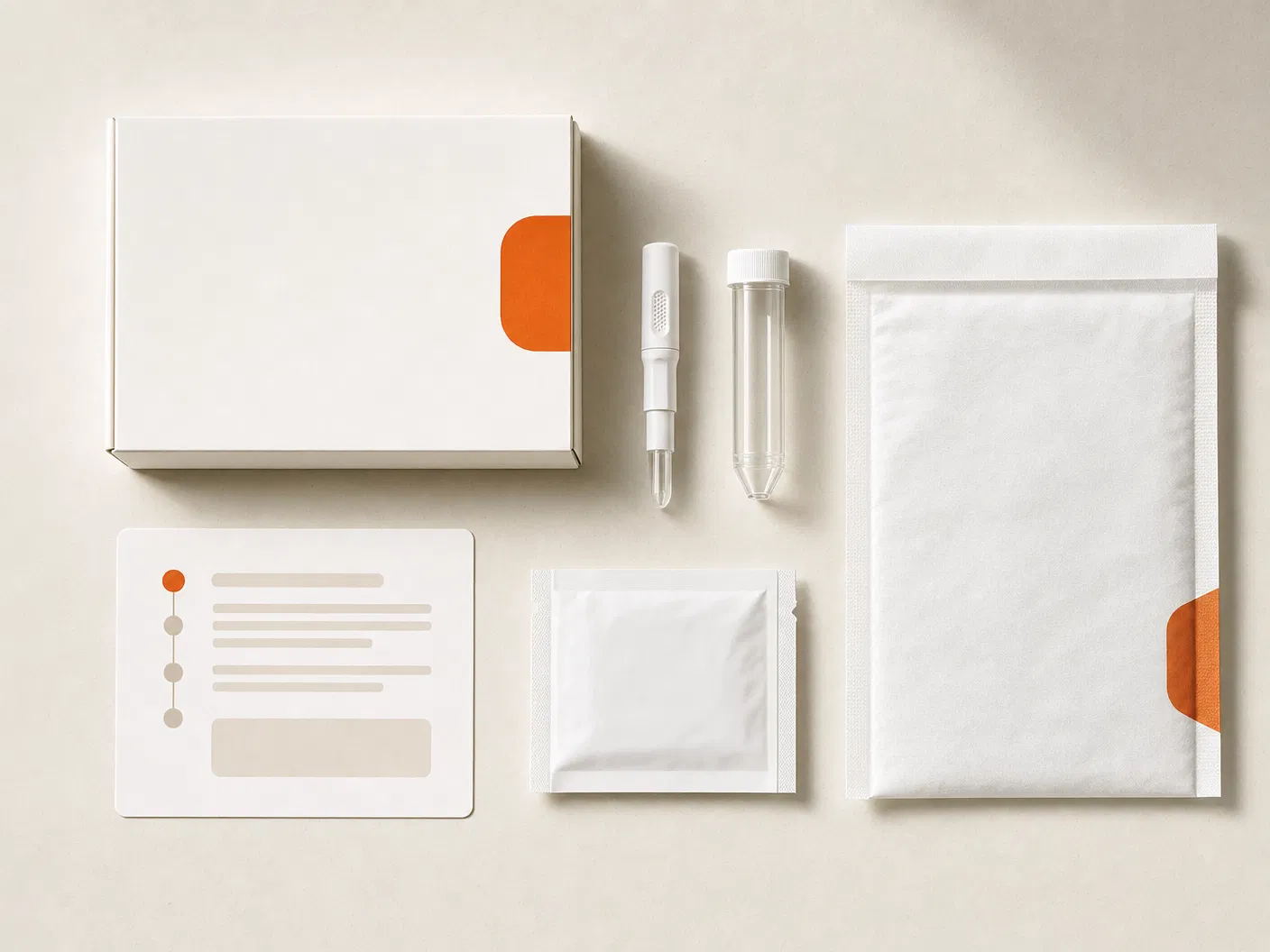
The Taurus kit is different in a small but specific way: it is built around testosterone as the entry biomarker, with seven other related markers tested alongside it — eight in total. The lab handling the samples is CLIA and CAF accredited, the same accreditation framework used by traditional clinical labs. That, more than the marketing, is what made the kit feel like an actual diagnostic step rather than a wellness gimmick.
To be clear, an at-home blood test is not a diagnosis. The results don't tell you what to do. They give you something concrete to put in front of a clinician, which is exactly the next step in the flow.
The entry point is a testosterone-focused panel processed through a clinical lab pathway, not a wellness quiz.
02
Reason #2
The clinician video call is the part that actually changes the experience
I went into this expecting the consult to be a formality. It wasn't.
About a week after I sent my sample back, I had a 15-minute video call with a licensed clinician who had my labs open on screen. We went through the numbers one by one — what each one was, where mine sat, and which ones, in their professional opinion, mattered for someone in my age band, my training history, and my reported symptoms.
What I want to flag here, because the category is heavily regulated and reasonable people get this wrong: the clinician did not promise me a prescription. They explained that whether any treatment — including TRT — is appropriate is a clinical decision they make per patient, and that not everyone who tests qualifies. That conservatism, on a $49 entry product, is a quiet trust signal in a category where over-promising is the norm.
The value is not just receiving numbers; it is hearing a licensed clinician explain what they mean in context.
What members are saying
Specific, unflashy notes from verified members.
These describe individual experiences. Results vary, and no specific outcome is guaranteed.
“Within a few weeks my energy was way high and I started to build muscle again.”
Brian H.39
“My motivation returned, and I actually enjoyed being physically active again.”
Richard T.44
“Now I am fitter and stronger than I ever was.”
Zach O.33
After the hook is paid off
See whether today's $49 entry offer is still available.
The page below should confirm current eligibility terms, pricing, and refund policy before checkout.
A standalone testosterone panel ordered through a typical lab can cost more than $49 on its own, and that's before a consult, before any treatment conversation, and before any plan. The Taurus offer at $49, down from a stated $129, bundles three things that normally live in three different places — the lab kit, the clinician video consult, and, for men who qualify, a personalized plan covering prescription, supplements, and lifestyle.
Free fast shipping is included. There is also a money-back guarantee specifically for men who pay for the test, complete it, and are then deemed by the clinician not to be eligible for treatment. That is an unusual structure: most direct-to-consumer health offers refund only on unopened product, not on a service you actually used.
None of that is a claim about results. It is a claim about the shape of the offer — and on that, the shape is genuinely different from what's been on offer in this category until very recently.
The offer bundles the kit, consult, and a possible clinician-built plan for men who qualify.
04
Reason #4
It compresses 'find out → understand → have a plan' into roughly two weeks
The thing that has historically stopped men from doing any of this is the friction. A traditional path looks something like: book GP, wait, get partial labs, get told you're fine, push for a referral, wait for the specialist, take time off work, repeat the labs, wait again, finally talk about treatment, and somewhere a few months in, decide you're tired of being tired and stop.
The flow I went through, from sending the sample to having a real conversation about a real plan, took about a week and a half. Total clinician time on the consult was roughly 15 minutes. Total commute was zero.
I'm not going to tell you that fast is the same as right. Sometimes slow is exactly what a medical decision needs. But for men who have been putting this off for years specifically because the path was too painful, removing that friction is the substantive thing this category has actually changed.
Why a real clinician matters in this category
The right sound in 2026 is conservative, not promotional.
Men's-health telemedicine has spent the last few years cleaning up after a wave of operators who were a little too quick with the prescription pad. The category is now firmly under regulatory scrutiny — which, as a buyer, is actually good news.
In their published materials, providers in this category increasingly stress the same point: that TRT and related treatments are clinical decisions, that they are not appropriate for every man with low energy or low libido, and that a prescription cannot be promised on the strength of a marketing page. The clinician on my call said as much, in plain language. That is the right sound to be making in 2026.
Real clinical review matters because treatment eligibility is a patient-by-patient decision.
Reasonable questions a skeptical buyer asks
Short answers before you click.
Is this a “real” lab test?
The kit is processed at a lab carrying CLIA / CAF accreditation, which is the standard accreditation framework used by hospitals and clinical labs. It is not positioned here as a wellness-grade screen.
Will I get a prescription?
Maybe. The clinician decides, per patient, whether treatment of any kind is appropriate. Eligibility is not guaranteed.
What if I'm not eligible?
The published policy described in the source copy is a money-back guarantee in that case. Confirm the current terms on the order page before checkout.
Is this safe?
TRT and related prescriptions carry real risks and are required to be reviewed and consented to with a clinician before any prescription is issued. It is not a supplement. Treat it like the medical decision it is.
Will my insurance cover it?
Many treatments in this category are not covered by traditional insurance. The $49 entry price is what it is in part because the test-and-consult sit outside the insurance machinery.
What you actually risk by trying this
The honest answer: $49, plus the time for the kit and call.
If the clinician determines you are not a fit for treatment, the published policy refunds the test. If you are a fit and choose not to proceed, you are under no obligation to. There is no auto-enrollment into a treatment program by virtue of having taken the test.
For men in their thirties and forties who have been quietly suspicious that something is off and have never had a single hard number to look at, that is a low-risk way to find out.
Final verdict
That, for $49, is the part that struck me as actually new.
I came into this skeptical of the entire category. The prevailing pattern in men's-health telemedicine has historically been “make a big promise, get the swipe, sort it out later.” That is not what this experience was.
It was a real lab, a real clinician, a real conversation, and — at the end — a real, conservative answer about what was actually going on with my labs and what, if anything, I should consider doing about it.